
Our private jet carbon emissions calculator was developed by and is used under permission from Paramount Business Jets. It is a basic tool whose methodology is based on hourly fuel consumption of the most common private jets. For more detailed calculations, you may use the calculator on the Paramount Business Jets’ website.
Where Your Money Goes
Tonnes offset on this page will be evenly allocated to all COTAP projects. You will receive a detailed offset acknowledgement like this one. Your tonnes will be included in our public carbon credit retirements on the Markit Environmental Registry like this. You can track COTAP’s progress and download projects’ annual reports, which contain detailed accounting of payments to communities, in our Transparency section.
COTAP’s Position on Private Aviation
It should be beyond obvious that COTAP does not encourage the use of private jets. Private aviation clearly goes against our general position that people should avoid and reduce their emissions as much as possible, and then offset what they are unable to avoid and reduce. It’s obvious that the most sustainable or “green” thing to do is to not fly private.
That said, and to be bluntly realistic, pretty much zero people are going to reduce or cease flying private because of our position. So, do we take an ideological stand and offer nothing but finger-wagging? Or do we pursue this emissions use case as an opportunity to change more lives? It’s a binary, either-or decision, and we chose the latter.
If COTAP didn’t provide this calculation and offsetting option, then private aviation customers would likely either not offset at all, or they’d choose a less meaningful and impactful offset provider, thereby missing out on the opportunity to create at least $12.15 per tonne in community income for the world’s poorest people.
What’s At Stake
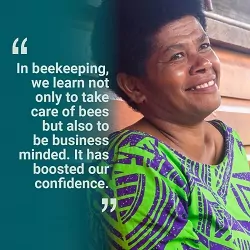
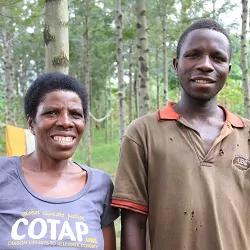
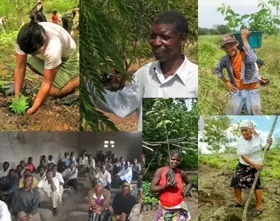
How do we create at least $12.15 per tonne in community income? Through our transparent pricing of $22.50 per tonne, our modest margin of 10%, the fact that we only transact directly with projects, and because our projects are required to share at least 60% of carbon revenues with participating communities. For a glimpse of the far-reaching and multi-faceted benefits such income can create, check out our mini-documentary about visiting the Khasi Hills Community REDD+ Project in Meghalaya, India: